

Quick answer
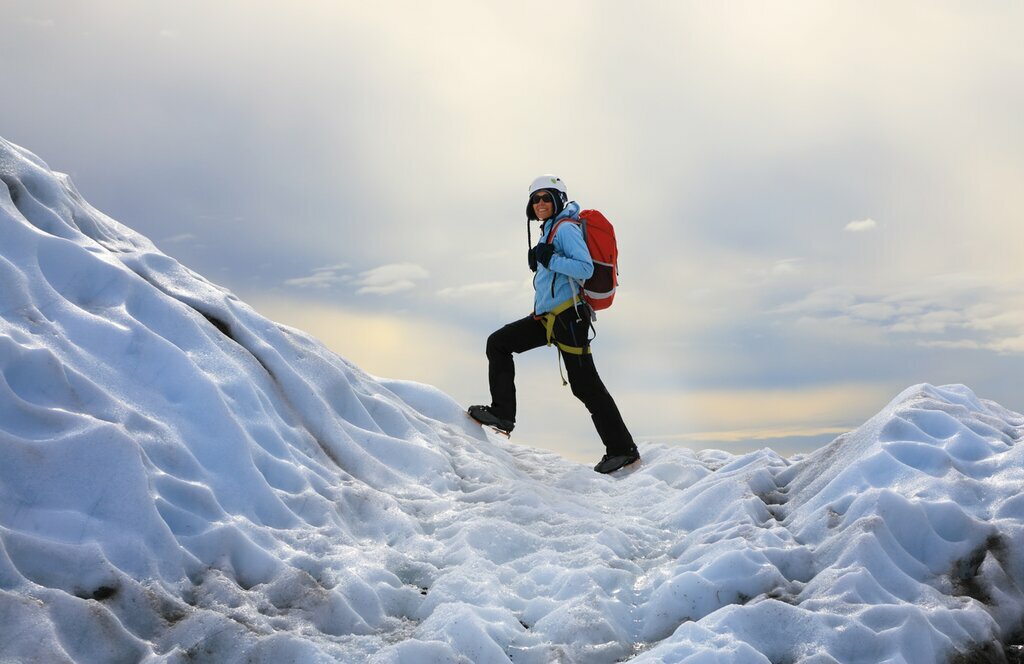
Yes, you can walk on glaciers in Iceland, including Langjökull, but only as part of a guided tour with certified operators. Independent glacier access is illegal due to hidden crevasses, unstable ice bridges, and rapidly changing weather. All tours provide crampons, ice axes, and trained guides. The glacier surface is open year-round, though summer offers the most stable conditions and the longest daylight window for safe travel.
Langjökull covers over 900 square kilometers of Iceland's highland interior, its ice sheet reaching depths of 580 meters in places. The glacier's name translates to "long glacier," a reference to its elongated dome shape visible from the ring road on clear days. While the surface appears static from a distance, the ice moves constantly, creating fissures and moulins that make unguided access fatal. Icelandic law mandates professional supervision for all glacier travel. Certified mountain guides complete multi-year training in crevasse rescue, weather assessment, and glacier navigation before leading commercial treks. Tour operators equip participants with crampons—metal spikes that grip the ice—and provide instruction on safe movement across compacted névé and blue ice zones. Most glacier hikes on Langjökull depart from the Into the Glacier base camp, accessible via modified super jeeps that navigate the F550 highland track. The glacier's accessibility varies by season. Summer brings stable surface conditions and midnight sun, allowing tours to operate throughout the day. Winter access requires longer approaches through snowfields, though the ice tunnel remains open. Meltwater streams carve new channels each year, and volcanic ash layers from past eruptions create dark striations across the ice—visual markers guides use for route planning. Weather shifts occur without warning in the highlands; tours cancel frequently when wind speeds exceed safe thresholds. Can you walk on glaciers in Iceland without joining a tour? The short answer remains no. Park rangers and search-and-rescue teams enforce the guided-access rule, and rescue operations on Langjökull cost tens of thousands of dollars when tourists ignore the restriction. The glacier's eastern margin feeds the Hvítá river system, and meltwater tunnels hollow out ice caves that collapse unpredictably. Understanding these hazards explains why Iceland treats glacier walking as a technical activity rather than a casual hike.
“The glacier's surface moves constantly, creating fissures and moulins that make unguided access fatal.”
The Best Time to Walk on Glaciers in Iceland at Langjökull
The best arrival window for visiting Langjökull is 09:00–14:00, as this timeframe provides the most reliable daylight and weather stability for glacier access. Planning your visit within these hours is essential for safety, as conditions on the ice can change rapidly regardless of the season.
Summer (June–August)
HighMild, 5°C to 10°C; frequent daylight.
Longer days allow for flexible scheduling during the peak season.
Winter (November–March)
LowCold, -10°C to 0°C; high winds.
Snow-covered terrain requires guided transit for safety.
Shoulder (April–May, Sept–Oct)
ModerateUnpredictable, -5°C to 5°C.
These months offer a balance of manageable daylight and thinner crowds.
Daily Window (09:00–14:00)
Moderate—
This period offers the most consistent visibility and stable meteorological conditions.
Verdict: The best time to visit is mid-week between 09:00 and 14:00 during the shoulder months of April or October.
How to Properly Prepare to Walk on Glaciers in Iceland
Accessing Langjökull's ice tunnel requires joining a guided tour from the glacier base camp. The entire process from arrival to tunnel entry takes approximately 30 minutes.
Check in at base camp
Arrive at the Into the Glacier base station and present your tour confirmation. Most visitors underestimate the highland drive time and arrive rushed.
Wait for safety briefing
Attend the mandatory 10-minute briefing covering crevasse awareness and group protocols. Guides will not permit entry without full group attendance.
Board the glacier transport
Transfer to the specialized eight-wheel truck designed for ice travel. Standard vehicles cannot access the tunnel entrance safely.
Walk from vehicle to tunnel
Follow the marked 50-meter path on compacted ice to the entrance. The surface is slippery even in crampons—use the provided trekking poles.
Enter the ice tunnel system
Proceed through the entrance corridor with your guide. The tunnel maintains -1°C year-round, so thermal layers matter more than waterproofing.
Entrance Fees for When You Walk on Glaciers in Iceland
Access to the Langjökull glacier area is free of charge. Entering the man-made ice tunnels requires a pre-booked guided tour.
While the glacier area is free, you must pay for a guided tour to gain access to the ice tunnel facilities.
How to Get to Langjökull to Walk on Glaciers in Iceland
Langjökull Glacier is located in the Highlands of Iceland. Accessing the glacier surface requires traveling to specific base camps or meeting points, as the terrain is not accessible by standard passenger vehicles.
Drive Route 1 (Ring Road) to Road 550 (Kaldidalur) or Road F35 (Kjölur)
Scheduled tour transport from Reykjavik to glacier base camps
Glacier access from designated base camp with mandatory guided tour
Official Opening Hours for When You Walk on Glaciers in Iceland
The glacier area remains accessible throughout the week to accommodate various travel schedules. Visitors may access the site during the following operational hours.
| Monday | 00:00–23:59 | |
|---|---|---|
| Tuesday | 00:00–23:59 | |
| Wednesday | 00:00–23:59 | |
| Thursday | 00:00–23:59 | |
| Friday | 00:00–23:59 | |
| Saturday | 00:00–23:59 | |
| Sunday | 00:00–23:59 |
A Checklist for Those Who Walk on Glaciers in Iceland
Glacier ice demands layered insulation, ankle support, and waterproof protection against cold and melt.
-
Wear insulated waterproof boots — Ice surfaces stay below freezing and melt runoff saturates ordinary footwear.
-
Bring thermal layers and windproof jacket — Wind chill on exposed ice drops perceived temperature by 10–15°C.
-
Pack waterproof trousers — Kneeling or sitting on ice during photo stops soaks standard fabric.
-
Carry sunglasses and high-SPF sunscreen — Glacier surfaces reflect 80% of UV radiation, intensifying exposure.
-
Confirm tour operator provides crampons — Walking on ice without metal traction spikes is unsafe and prohibited.
-
Secure travel insurance covering glacier activities — Standard policies often exclude ice environments from medical coverage.
Check availability
Common questions about walking on glaciers in Iceland
Everything you need to know about can you walk on glaciers in iceland